


-
Departments
DepartmentsDepartments
Your cart is empty
Looks like you haven't added anything to your cart yet



Buy Bathroom Exhaust Fans Online: How to Choose the Right Size & m³/h
A bathroom that stays damp long after your shower usually means the exhaust fan isn't pulling its weight. Getting the airflow rating right matters more than the finish, because an undersized fan runs non-stop and still leaves the ceiling wet. This guide breaks down the numbers that count: room volume, air changes per hour, and m³/h capacity, so you know what to check before you buy exhaust fans. Working through these basics before you browse fans for sale online saves you from bringing home a fan that's too small for the job.
Why Bathroom Ventilation Matters More Than People Think
Steam with nowhere to go soaks into ceiling paint, warps timber trims and sits in wall cavities where it can't dry out. That trapped moisture is exactly what black mould needs, and mould spores in a bathroom you use daily aren't something to shrug off, especially with asthma in the house.
The most common mistake is picking a fan on price or looks alone. An undersized fan, a roof cavity with no vent path, or a bathroom with no make-up air (a small gap under the door) all leave you with the same damp problem regardless of cost.
How to Calculate the Right Airflow Rating Before You Buy Exhaust Fans Online
Room volume: Multiply the length, width and height of the bathroom in metres. A bathroom that's 2m x 2.5m x 2.4m comes to 12m³, your starting point.
Air changes per hour: Bathrooms need 15 to 30 air changes per hour, since they deal with steam and odour more than any other room. Multiply your room volume by the air changes you need for the minimum m³/h rating to look for. For that 12m³ bathroom, you're looking at 180 to 360 m³/h.
Converting m³/h to L/s: Some fans are rated in litres per second instead. Divide m³/h by 3.6, or multiply L/s by 3.6 to get m³/h, when comparing specs across brands.
Comparing Ceiling, Wall-Mounted and Inline Exhaust Fans
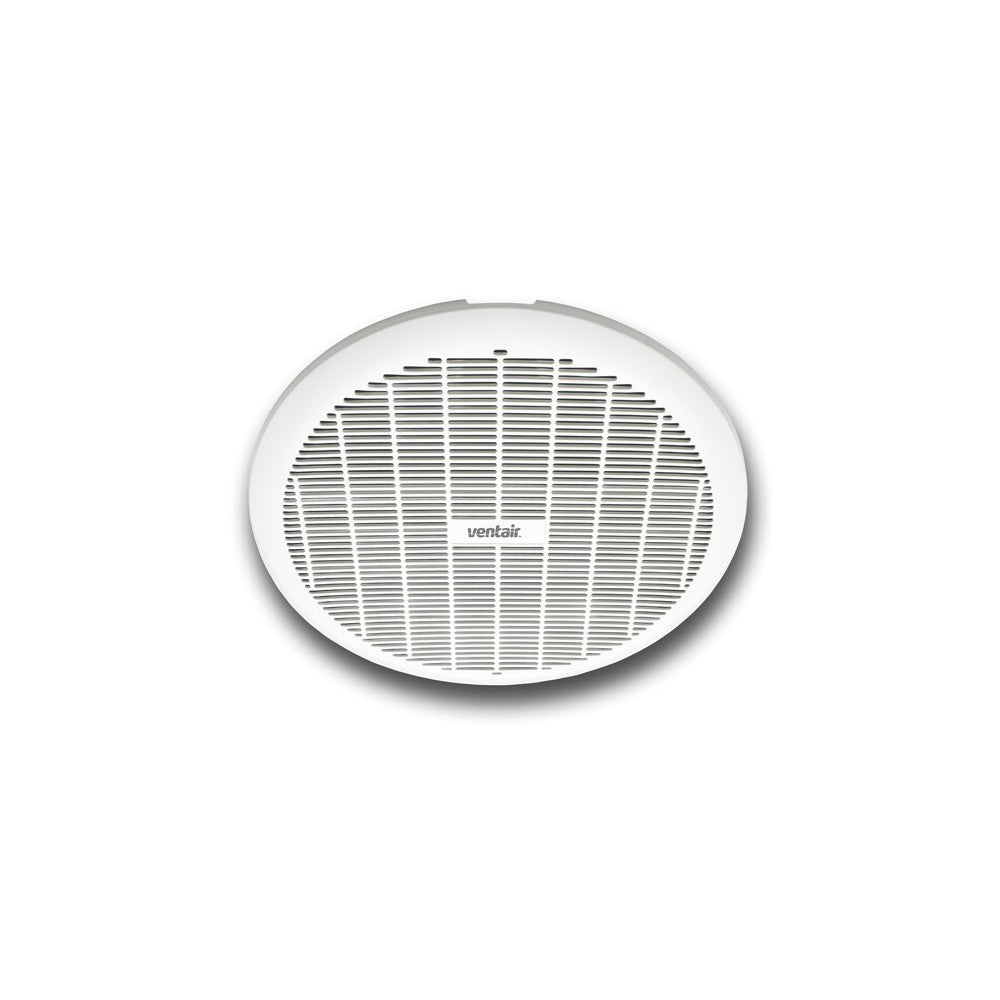
Most bathrooms use a ceiling-mounted fan, ducted up through the roof, the simplest option with existing roof access. Wall-mounted fans suit a bathroom with an outside wall, venting straight out instead. Inline fans sit in the roof cavity and can service more than one room, worth considering for an ensuite or laundry on the same unit. Comparing ceiling fans while browsing fans for sale online, check the ducting length listed for each, since a longer run cuts down actual airflow.
Do 3-in-1 Units Save You Buying Separate Fixtures?
A 3-in-1 unit combines a heater, light, and exhaust fan into one fitting, handy in older homes with no existing bathroom heating. Look for a DC motor if quiet running matters, since these use less power than older AC motors. Some units add a humidity sensor that switches the fan on once moisture climbs, taking the job off your hands.
IP Ratings and Ducting Rules Worth Getting Right
Any fan going into a bathroom's wet zone, directly above the shower or bath, needs an IP44 rating or higher. Keep duct runs short and straight, since every bend reduces the fan's real output below its rated m³/h. A licensed electrician should always handle the wiring near water.
Upgrade Your Home Ventilation with the Right Exhaust Fan
Getting the airflow rating right is the difference between a bathroom that dries out properly and one that fights mould all year round. Once you know your room volume and the air changes you need, choosing between ceiling fans, wall-mounted and inline options gets a lot easier. The Lighting Centre stocks a full range of bathroom exhaust fans, including 3-in-1 units and IP-rated fixtures for wet zones, so you can buy exhaust fans sized correctly for your space.
Browse The Lighting Centre's bathroom exhaust fan range and get one sorted before your next reno.
Common Questions About Buying a Bathroom Exhaust Fan
What is the best exhaust fan for a bathroom?
A ceiling-mounted fan rated at 200 to 250 m³/h with an IP44 rating covers most bathrooms. Larger bathrooms with a bath may need closer to 300 m³/h.
Which size exhaust fan is best for a bathroom?
Match the fan to your room volume and 15 to 30 air changes per hour, not floor area alone. Two same-sized bathrooms can need different ratings depending on ceiling height and whether there's a bath.
What should I look for when buying a bathroom exhaust fan?
Check the m³/h rating against your room volume, confirm the IP rating suits your zone, and match the duct diameter to your existing ducting.
Is a 3-in-1 exhaust fan worth it for an older home?
Yes. If the bathroom has no heating already, a 3-in-1 unit replaces a separate heater and light without extra wiring or holes in the ceiling.
- Choosing a selection results in a full page refresh.